

AIMS:
This course equips navigating officers with the essential skills for effective Bridge Team Management and safe decision-making, while enhancing situational awareness, teamwork, and communication on the bridge. It is aligned with IMO Model Courses 1.22 and 1.08, as well as the requirements of SIRE 2.0 Part 1 Section 3.3.1.
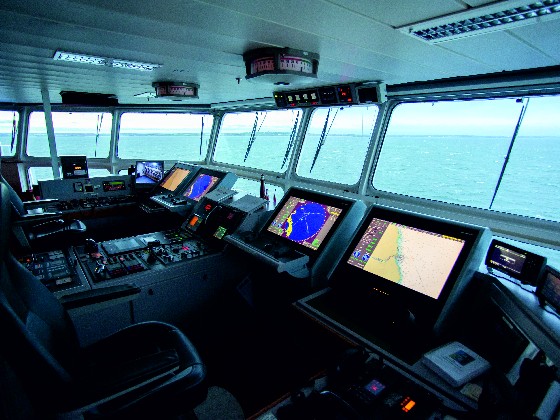
This course has been conducted on the Bridge Operation Simulator (ELAB-NAV-E Navigation Simulator) with ECDIS, approved by DNV Class Simulator.
OBJECTIVES:
- Introduction to BTRM:
- Understand the foundational concepts of effective bridge team and resource management.
- Bridge Resource Optimisation:
- Learn to utilise personnel, equipment, and information efficiently for safe and effective navigation.
- Situational Awareness:
- Maintain a high level of situational awareness regarding vessel position, traffic, weather, and navigational hazards.
- Watchkeeping Practices:
- Apply proper procedures for maintaining a safe navigational watch in accordance with international regulations.
- Navigation and Collision Avoidance:
- Plan, monitor, and execute passage plans to ensure safe navigation and collision avoidance.
- Emergency Procedures:
- Respond promptly and effectively to various emergency scenarios, including man-overboard, fire, grounding, or equipment failure.
- Effective Communication:
- Foster clear, concise, and assertive communication among bridge team members to enhance coordination and response.
- Teamwork and Leadership:
- Promote effective teamwork, leadership, and assertiveness within the bridge team, especially during high-pressure situations.
- Understanding Human Factors:
- Address the influence of human factors such as stress, fatigue, workload, and cognitive limitations on bridge performance.
- Standard Manoeuvres:
- Understand and apply standard ship-handling manoeuvres in varying environmental and traffic conditions.
- Problem Solving and Decision Making:
- Enhance critical thinking skills to assess situations and make timely, well-informed decisions.
- Resource Management and Team Coordination:
- Plan and allocate bridge resources effectively, ensuring optimum coordination during routine and emergency operations.
- Team Experience Review:
- Evaluate and reflect on team and individual performance to continuously improve future bridge operations and safety outcomes.
COURSE CONTENT:
- Introduction to Bridge Team Management
- Bridge Resource Management
- Situational Awareness
- Watchkeeping
- Behavioural Competency Assessment
- Navigation And Collision Avoidance
- Emergency Procedures
- Communication and Teamwork
- Human Element Considerations
- SIRE 2.0 familiarisation
Course Duration: 5 Days
Skill Level: Intermediate
Modules: 10