

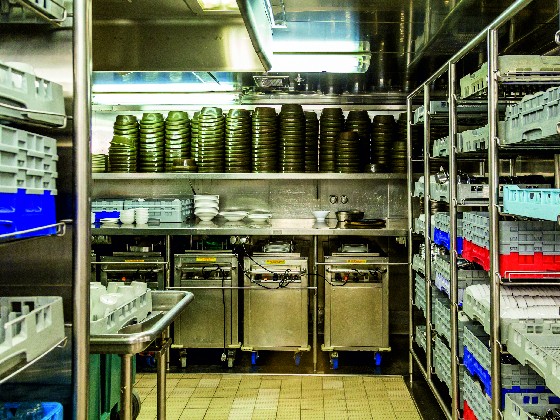
AIMS:
- To ensure the safe, efficient, and effective operation of shipboard catering services.
- To maintain high standards of food safety, quality, and hygiene aboard ships.
- To optimise inventory management and reduce food wastage through efficient stock rotation and planning.
- To foster a professional, well-trained catering team capable of meeting the diverse needs of crew and passengers.
OBJECTIVES:
- Develop Routine Systems: Establish regular routines for updating inventory records, conducting equipment checks, and ensuring food safety standards are consistently met.
- Provide Comprehensive Training: Ensure all catering personnel are trained in inventory management, food safety, and stock rotation procedures.
- Utilise Technology: Implement digital tools for real-time inventory tracking, temperature monitoring, and data-driven decision-making to streamline operations.
- Effective Meal Planning: Plan based on historical data and voyage-specific needs, anticipating food requirements and dietary preferences.
- Maintain Organisational Efficiency: Keep the galley and storage areas organised, ensuring easy access to supplies and compliance with safety regulations.
- Promote Teamwork: Foster a collaborative environment where all catering personnel work together to maintain a high level of service.
COURSE CONTENT:
- The Basis of Inventory Control
- The Role of Inventory Management
- Objectives for Inventory Control
- Reasons for the Current Stock
- First In, First Out (FIFO)
- Managing the Inventory
- Just-in-Time Management
- Safety Stocks
- Setting the Right Stock Levels
- Forecasting Demand and Forecasting Techniques
- The Supply Chain and Logistics Approach to Inventory Management
- Individual Action Plan
- Key Components of Maritime Catering Stock Management
- Practical Tips for Ships’ Cooks and Catering Personnel
Course Duration: 5 Days
Skill Level: Intermediate
Modules: 14
AIMS:
This course aims to provide trainees with the essential knowledge, practical skills, and professional attitude required to perform the duties of a General Steward onboard ships safely, efficiently, and in compliance with international maritime standards.
The course is designed to:
- Develop a strong foundation in galley operations and hygiene practices
- Ensure awareness of food safety and HACCP principles
- Build competency in shipboard safety, emergency response, and first aid
- Promote understanding of environmental protection and MARPOL compliance
- Instil discipline, teamwork, and professional conduct required for life at sea
By the end of the course, trainees will be prepared to contribute effectively to the catering department and overall ship operations, while maintaining high standards of safety and hygiene.
OBJECTIVES:
The objectives of this course are to enable trainees to:
- Operational Objectives
- Understand the role and responsibilities of a General Steward onboard
- Assist the Chief Cook in basic food preparation and galley operations
- Maintain the cleanliness of the galley, mess room, and equipment
- Apply proper food storage and handling techniques (FIFO, temperature control)
- Safety Objectives
- Identify shipboard hazards and fire risks, especially in the galley
- Demonstrate correct use of fire extinguishers (PASS method)
- Understand abandon ship procedures and life-saving appliances
- Apply basic first aid techniques for burns, cuts, and injuries
- Hygiene & Food Safety Objectives
- Maintain personal hygiene standards as per maritime requirements
- Prevent cross-contamination in food handling
- Understand and apply HACCP principles
- Maintain cleaning schedules and temperature records
- Environmental Objectives
- Segregate waste as per the Garbage Management Plan
- Comply with MARPOL regulations for pollution prevention
- Maintain Garbage Record Book entries accurately
- Prevent pest infestation through proper hygiene and storage
- Professional Development Objectives
- Follow the chain of command and shipboard discipline
- Demonstrate effective communication skills in English
- Show cultural awareness and teamwork in a multinational crew
- Maintain a professional attitude and time management
COURSE CONTENT:
- Introduction to Food Safety and Hygiene
- Impact of Food-Borne Illness
- Safe Working Procedure on Galley and Mess Hall
- Food Safety Hazards and Contamination
- Food Preservation, Storage and Temperature Control
- Personal Hygiene
- Good Housekeeping
- Hazards Analysis and Critical Control Point (HACCP)
- Garbage Management System
- Knife Handling Skills
Course Duration: 6 Days
Skill Level: Intermediate
Modules: 10
AIMS:
- Ensure compliance with MLC 2006 Regulation 3.2 related to food and catering on board ships.
- Promote high standards of food safety and personal hygiene among crew members.
- Enhance knowledge of food storage, stock control, and environmental protection in catering operations.
- Improve overall health and safety in catering environments on board ships.
OBJECTIVES:
- Understand the importance of Advanced Food Safety and Hygiene in preventing food-borne illnesses.
- Explain the relevant food laws and regulations applicable to the maritime industry.
- Identify common food safety hazards and methods to control contamination.
- Implement effective food preservation, storage, and temperature control practices.
- Maintain high standards of personal hygiene in catering operations.
- Ensure catering premises are kept hygienic and safe.
- Apply Hazard Analysis and Critical Control Point (HACCP) principles to manage food safety risks.
- Implement garbage management systems in compliance with environmental regulations.
COURSE CONTENT:
- Kitchen operations, costs and menu planning
- Safe working practices
- Workplace safety and health
- Healthier foods and special diets
- Prevention of food-borne disease
- Food hygiene
- Personal hygiene
- Nutrition and health balanced menus
- Religious and cultural aspects
- Other basic skills
- Good housekeeping
- Marpol garbage management
- Hazard analysis and critical control points (haccp)
- What is mlc 2006, marpol, stcw, solas
- Basic first aid in galley
- Basic fire fighting in galley
- Galley organization
- Galley administration, management and supervision
- Food hygiene & kitchen safety
- Healthy food onboard merchant ships
Course Duration: 2 Days
Skill Level: Intermediate
Modules: 20
