

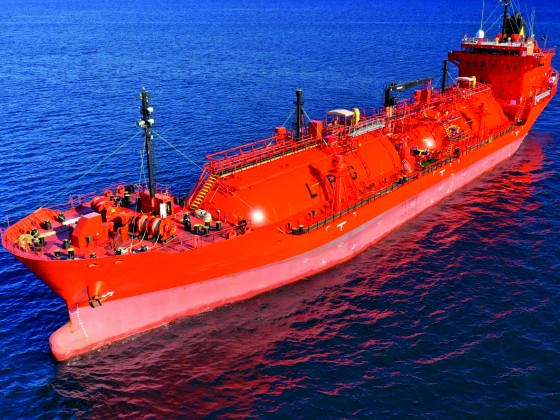
AIMS:
The course aims to provide participants with comprehensive knowledge of the International Convention for the Prevention of Pollution from Ships (MARPOL), as amended, and to develop the practical understanding needed to conduct surveys and inspections for marine pollution prevention.
It equips participants with the competence to assess shipboard systems, equipment, and procedures to ensure compliance with MARPOL requirements.
OBJECTIVES:
- To understand the structure, scope, and application of the MARPOL Convention
- To interpret the requirements of all MARPOL Annexes (I to VI)
- To develop competence in conducting pollution prevention surveys and inspections
- To assess shipboard pollution control equipment and systems
- To verify compliance with statutory requirements and flag/state regulations
- To identify deficiencies and non-conformities related to pollution prevention
- To enhance inspection, reporting, and certification skills
COURSE CONTENT:
- Introduction to MARPOL Convention
- MARPOL Annex I – Oil Pollution
- MARPOL Annex II – Noxious Liquid Substances
- MARPOL Annex III – Harmful Substances in Packaged Form
- MARPOL Annex IV – Sewage Pollution
- MARPOL Annex V – Garbage Management
- MARPOL Annex VI – Air Pollution
- Surveys and Certification under MARPOL
- Inspection, Deficiencies, and Reporting
- Pollution Prevention Practices and Case Studies
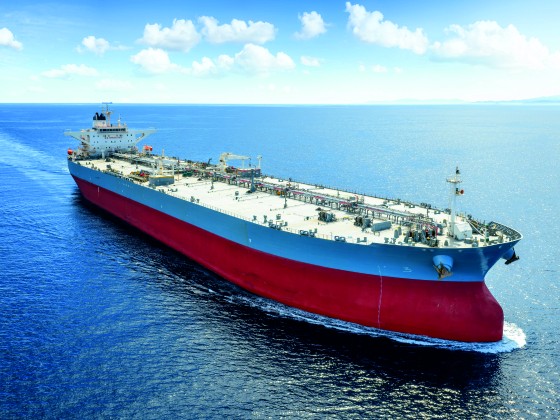
AIMS:
The course aims to equip maritime professionals with essential knowledge and skills to ensure the safe handling, loading, and transportation of solid bulk cargoes. It focuses on compliance with international regulations, risk mitigation, and best practices for operational safety on bulk carriers.
OBJECTIVES:
- Understand Bulk Carrier Operations – Explain the fundamentals of bulk carrier design, cargo operations, and associated hazards.
- Ensure Compliance with Regulations – Interpret and apply key provisions of the IMSBC Code, BLU Code, and the International Code for the Safe Carriage of Grain in Bulk.
- Implement SOLAS Requirements – Understand amendments to SOLAS Chapter VI related to bulk cargo transportation and safety measures.
- Enhance Cargo Handling Practices – Apply safe loading, stowage, and unloading procedures to prevent accidents and structural damage.
- Improve Risk Management – Identify and mitigate risks associated with solid bulk cargoes, including liquefaction, shifting, and dust hazards.
- Develop Emergency Preparedness – Plan and respond effectively to emergencies, including cargo-related incidents and contingency measures.
COURSE CONTENT:
- Introduction to Bulk Carriers
- International Maritime Solid Bulk Cargoes Code (IMSBC Code)
- Amendments to SOLAS Chapter VI
- Code of Practice for the Safe Loading and Unloading of Bulk Carriers (BLU CODE)
- International Code for the Safe Carriage of Grain in Bulk
- Emergency Response and Contingency Planning
- Case Studies
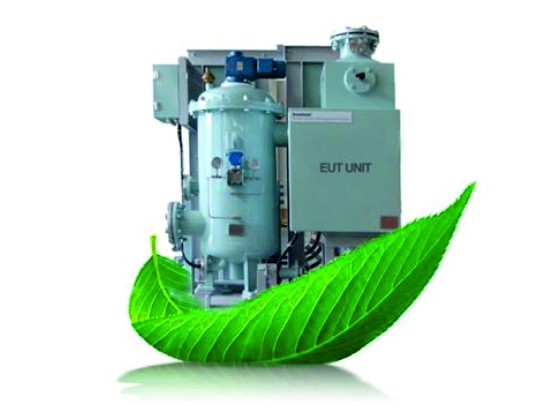
AIMS:
- To give participants a clear understanding of how the Headway Ocean Guard BWTS works.
- To build confidence in operating, monitoring and maintaining the system safely.
- To ensure the crew can meet ballast water discharge compliance and handle inspections effectively.
OBJECTIVES:
By the end of the course, participants will be able to:
- Identify the main components of the Headway Ocean Guard BWTS.
- Explain the working principles of filtration, UV treatment and electrolysis/AOP.
- Carry out safe ballasting and de-ballasting using automatic and manual modes.
- Monitor key parameters such as TRO, UV intensity, ΔP and flow rate.
- Troubleshoot common operational and sensor issues.
- Perform routine and scheduled maintenance safely.
- Follow safety procedures for chemicals, LOTO and confined-area work.
- Maintain proper ballast water logs and prepare for PSC inspections.
COURSE CONTENT:
- Introduction
- System components
- Working principle
- Operation
- System monitoring
- Troubleshooting
- Maintenance
- Safety and compliance
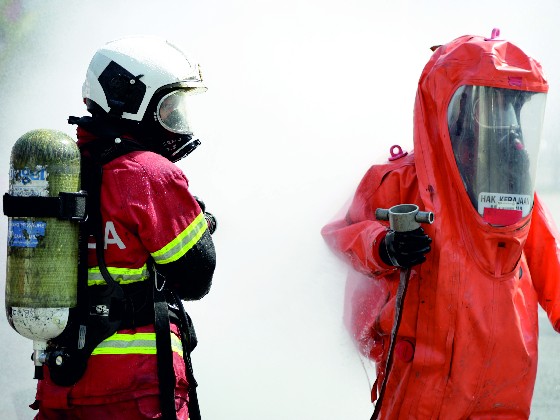
AIMS:
To provide participants with essential knowledge for the safe and compliant transport of hazardous materials by sea.
- To familiarise learners with the International Maritime Dangerous Goods (IMDG) Code and the 49 CFR (U.S.) regulations, including their interrelation.
- To promote understanding of classification, packaging, documentation, labelling, and emergency procedures for dangerous goods.
- To enhance awareness of the risks associated with hazardous materials and how to mitigate them effectively.
- To ensure participants are competent in handling, stowing, and segregating hazardous cargo in accordance with international standards.
OBJECTIVES:
Upon completion of this course, participants will be able to:
- Understand the structure and use of the IMDG Code.
- Identify and classify hazardous materials based on UN hazard classes.
- Interpret and apply the Dangerous Goods List and provisions for limited quantities.
- Understand marking, labelling, and placarding requirements.
- Comprehend packing instructions and tank provisions.
- Complete a Dangerous Goods Declaration and Container Packing Certificate.
- Apply proper stowage, segregation, and handling practices for dangerous goods.
- Relate IMDG Code requirements to 49 CFR regulations.
- Respond to emergencies using IMDG Code emergency response guidance.
- Recognise the importance of medical first aid and crew safety in HAZMAT scenarios.
COURSE CONTENT:
- Construction and use of the IMDG code
- Hazard classification based on UN criteria
- Dangerous Goods List and Limited Quantities Expectation
- Packing and Tank Provisions
- Consignment Procedures
- Dangerous Goods Declaration and Container Packing Certificate
- Transport Operations, Stowage, Segregation and Container Packing
- Emergency Response and Medical First Aid
- Understanding 49 CFR (US) and the IMDG Code
- Relationship between 49 CFR (US) and the IMDG Code

AIMS:
To equip ship safety officers with the knowledge and skills necessary to promote a safe working environment on board, ensure compliance with the Code of Safe Working Practices for Merchant Seafarers (COSWP), and effectively manage safety procedures and incident prevention measures.
OBJECTIVES:
- Understand the roles and responsibilities of a ship safety officer under the COSWP.
- Identify and mitigate workplace hazards through risk assessment and safety inspections.
- Develop and implement effective safety policies and procedures on board.
- Enhance the ability to investigate incidents and implement corrective actions to prevent recurrence.
- Promote a culture of safety awareness and active participation among the crew.
- Understand emergency response procedures and ensure preparedness for onboard emergencies.
- Familiarise with international maritime safety regulations, including SOLAS and IMO guidelines.
- Maintain proper documentation of safety records, inspections, and training activities.
- Ensure the safe handling of tools, machinery, and hazardous substances onboard.
- Conduct regular safety training and drills to improve crew awareness and compliance.
COURSE CONTENT:
- Introduction
- The Regulations
- Companies Duty
- Support for safety officials
- Advice to Safety Committees and Role of Safety Committees
- Checklist for the safety officer’s inspection
- Risk assessment
- Improving safety awareness on board
- Safety Organisation
- Personal Characteristics
- Communicating the safety message
- Planning your Safety Presentation
- The safety message is communicated through a talk with visual aids
- The safety message is communicated through posters
- Behaviour-based safety
- Let's Summarise Safety Officer - Role and Responsibilities
