

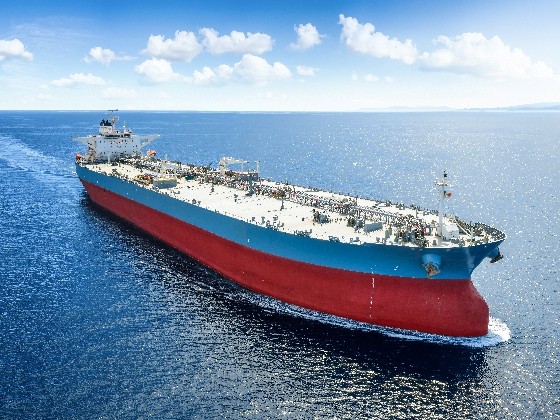
AIMS:
This course provides training to candidates to be duly qualified, in accordance with section A-V/1-1, paragraph 3 of the STCW Code, with specific duties for loading, unloading and care in transit of chemical tanker cargoes. It comprises an advanced training programme appropriate to their duties, including chemical tanker safety, fire safety measures, pollution prevention, safe operational practices and obligations under applicable rules and regulations. The course covers the competence requirements as given in the table under section A-V/1-1-3 of the STCW Code.
This course addresses:
- advanced level of familiarization with the equipment, instrumentation and controls used for cargo handling on a chemical tanker;
- greater awareness of the need of proper planning, use of checklists for various cargo handling operations;
- enhanced awareness to apply safe procedures at all times when carrying out the various operations on board a chemical tanker;
- acquisition of experience in identifying operational problems and solving them;
- improvement in the ability to promote safety culture and protection of the marine environment; and
- increased ability to assist and coordinate response measures during emergencies.
OBJECTIVES:
Those successfully completing the Advanced training in chemical tanker cargo operations course should therefore meet the training requirements in accordance with regulation V/1-1 of the STCW Convention, paragraph 6.3.
COURSE CONTENT:
- Ability to safely perform and monitor all cargo operations
- Familiarity with the physical and chemical properties of chemical cargoes
- Take precautions to prevent hazards
- Apply occupational health and safety precautions
- Respond to emergencies
- Take precautions to prevent pollution of the environment
- Monitor and control compliance with legislative requirements
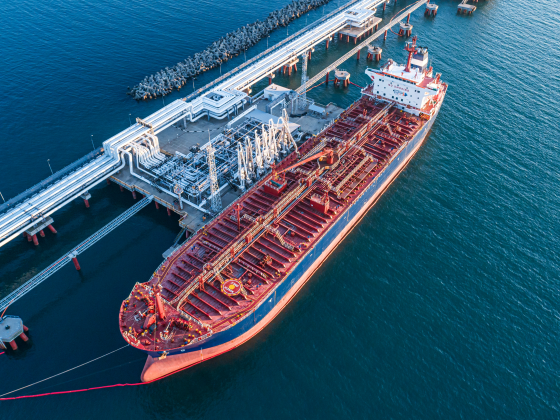
AIMS:
This course, aligned with IMO Model Course 1.02, offers specialized knowledge in oil tanker cargo and ballast operations advance level skills for the safe handling, transfer, and management of oil cargoes and ballast systems. It is designed to meet internationally accepted standards for the maritime industry and has incorporated key principles from relevant IMO guidelines.
OBJECTIVES:
Those successfully completing the Advanced Training for Oil Tanker Cargo Operations course should therefore meet the training requirements in accordance with regulation A-V/1-1 para. 2.2.
COURSE CONTENT:
- Ability to Safely Perform and Monitor All Cargo Operations
- Familiarity with Physical and Chemical Properties of Oil Cargoes
- Take Precautions to Prevent Hazards
- Apply Occupational Health and Safety Precautions
- Respond to Emergencies
- Take Precautions to Prevent Pollution of the Environment
- Monitor and Control Compliance with Legislative Requirements
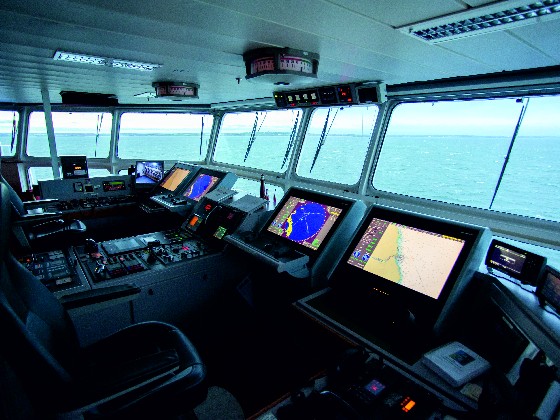
AIMS:
This course equips navigating officers with the essential skills for effective Bridge Team Management and safe decision-making, while enhancing situational awareness, teamwork, and communication on the bridge. It is aligned with IMO Model Courses 1.22 and 1.08, as well as the requirements of SIRE 2.0 Part 1 Section 3.3.1.
This course has been conducted on the Bridge Operation Simulator (ELAB-NAV-E Navigation Simulator) with ECDIS, approved by DNV Class Simulator.
OBJECTIVES:
- Introduction to BTRM:
- Understand the foundational concepts of effective bridge team and resource management.
- Bridge Resource Optimisation:
- Learn to utilise personnel, equipment, and information efficiently for safe and effective navigation.
- Situational Awareness:
- Maintain a high level of situational awareness regarding vessel position, traffic, weather, and navigational hazards.
- Watchkeeping Practices:
- Apply proper procedures for maintaining a safe navigational watch in accordance with international regulations.
- Navigation and Collision Avoidance:
- Plan, monitor, and execute passage plans to ensure safe navigation and collision avoidance.
- Emergency Procedures:
- Respond promptly and effectively to various emergency scenarios, including man-overboard, fire, grounding, or equipment failure.
- Effective Communication:
- Foster clear, concise, and assertive communication among bridge team members to enhance coordination and response.
- Teamwork and Leadership:
- Promote effective teamwork, leadership, and assertiveness within the bridge team, especially during high-pressure situations.
- Understanding Human Factors:
- Address the influence of human factors such as stress, fatigue, workload, and cognitive limitations on bridge performance.
- Standard Manoeuvres:
- Understand and apply standard ship-handling manoeuvres in varying environmental and traffic conditions.
- Problem Solving and Decision Making:
- Enhance critical thinking skills to assess situations and make timely, well-informed decisions.
- Resource Management and Team Coordination:
- Plan and allocate bridge resources effectively, ensuring optimum coordination during routine and emergency operations.
- Team Experience Review:
- Evaluate and reflect on team and individual performance to continuously improve future bridge operations and safety outcomes.
COURSE CONTENT:
- Introduction to Bridge Team Management
- Bridge Resource Management
- Situational Awareness
- Watchkeeping
- Behavioural Competency Assessment
- Navigation And Collision Avoidance
- Emergency Procedures
- Communication and Teamwork
- Human Element Considerations
- SIRE 2.0 familiarisation
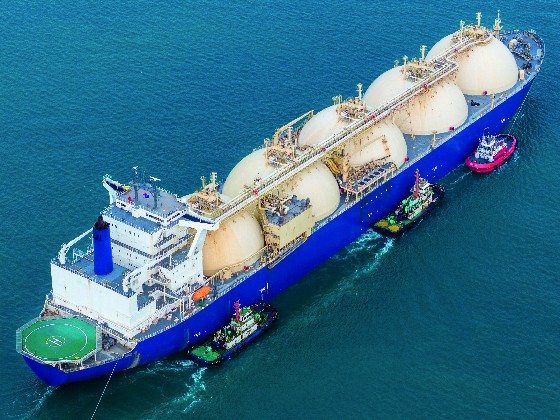
AIMS:
This course aims to provide officers and ratings intending to serve on board Liquefied Natural Gas (LNG) tankers with realistic, simulator-based training in LNG cargo and ballast operations. In accordance with the STCW Convention, Regulation V/1-2, paragraphs 1 and 2, seafarers must either have appropriate operational experience on LNG tankers or have completed approved specialised shore-based training. This course addresses that requirement by offering advanced simulation exercises replicating real-time LNG tanker operations.
This course meets the requirements laid down in Regulation I/12, Sections A-I/12, B-I/12, and Table A-V/1-2-2 of the STCW Convention and Code, as amended in 2010, and is in full compliance with IMO Model Course 1.36.
OBJECTIVES:
The primary objective of this course is to provide trainees with the knowledge, understanding, and proficiency (KUPs) necessary to demonstrate competence in LNG tanker cargo and ballast handling, as outlined in Table A-V/1-2-2 of the STCW Code, using an approved simulator.
Upon successful completion of the course, trainees will be able to:
- Demonstrate practical competence in cargo handling procedures on LNG tankers during both normal and emergency operations.
- Show enhanced awareness of:
- The importance of proper pre-planning,
- The use of checklists,
- The need to adhere to established timescales during various LNG cargo and ballast handling operations.
- Consistently apply safe and proper operational procedures in simulated LNG tanker environments.
- Identify and troubleshoot typical cargo and ballast-related operational problems, enhancing decision-making skills on board.
- Make sound and timely decisions that promote ship safety and the protection of the marine environment.
The course also aims to improve the Seafarers' ability to make effective contributions to:
- Safe shipboard operations,
- Environmental protection,
- Prevention of operational incidents during LNG cargo handling and ballasting.
COURSE CONTENT:
- Introduction and Familiarisation with LNG Cargoes
- LNG Operation Sequence Overview: Ballast Operations
- Post-Delivery (Yard/Dry-Dock) Pre-Departure Operations – Stripping and Gas
- Freeing
- Emergency Procedures, Response and Contingency Planning
- Safety Regulations and Standards
- Cargo Containment Systems
- Cargo Handling Equipment
- Cargo Transfer Operations
- Environmental Considerations
- Behavioural Competency Assessment
- SIRE 2.0 Familiarisation
