

AIMS:
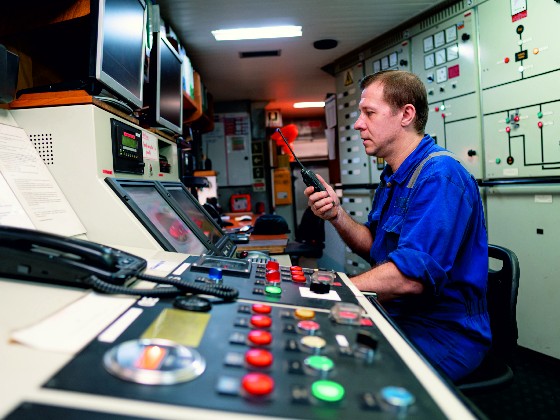
The Engine Room Simulator (Operational Level) course aims to equip participants with the knowledge, skills, and competence necessary to meet the requirements of Table A-III/1 of the STCW Convention. This training prepares officers in charge of an engineering watch to perform their duties efficiently and safely in both manned engine rooms and periodically unmanned engine rooms. The course emphasises practical application, situational awareness, and operational safety through realistic simulator-based scenarios.
Table A-III/1: Specification of minimum standard of competence for officers in charge of an engineering watch in a manned engine room or designated duty in a periodically unmanned engine room, and IMO Model Course 2.07
OBJECTIVES:
Upon successful completion of this course, participants will be able to:
- Maintain a Safe Engineering Watch
- Monitor and manage engine room operations, ensuring compliance with safety protocols and operational standards.
- Apply Engine Room Resource Management
- Demonstrate effective teamwork, communication, and decision-making skills to optimise resource utilisation and maintain operational efficiency.
- Operate Main and Auxiliary Machinery
- Manage the operation, monitoring, and troubleshooting of main propulsion systems and auxiliary machinery.
- Handle Fuel, Lubrication, Ballast, and Pumping Systems
- Operate and maintain fuel, lubrication, ballast, and other pumping systems, along with their associated controls, ensuring seamless operation.
- Operate Electrical, Electronic, and Control Systems
- Safely manage and troubleshoot electrical, electronic, and control systems integral to engine room operations.
COURSE CONTENT:
- Maintain a safe engineering watch
- Engine room resource management
- Operate main and auxiliary machinery and associated control systems
- Operate fuel, lubrication, ballast and other pumping systems and associated control systems
- Operate electrical, electronic and control systems
AIMS:
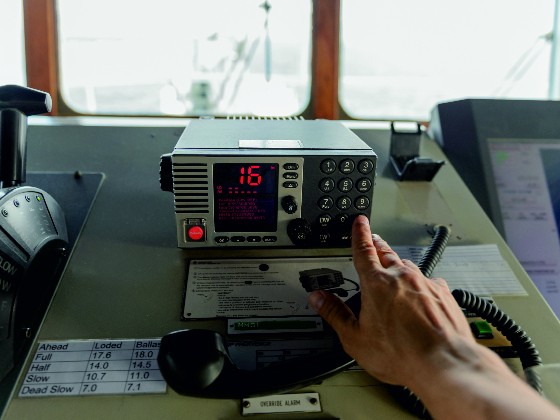
- To provide marine engineers and electro-technical officers with the necessary knowledge and practical skills to safely operate, maintain, and troubleshoot marine high voltage (HV) systems.
- To ensure participants understand and comply with relevant safety procedures, risk assessments, and operational standards associated with HV installations onboard ships.
OBJECTIVES:
By the end of the course, participants will be able to:
- Identify components and configurations of marine high voltage systems.
- Apply HV safety procedures and isolation techniques.
- Operate HV switchgear and conduct fault diagnosis.
- Perform risk assessment and implement appropriate protective measures.
- Respond effectively to HV electrical emergencies and ensure regulatory compliance.
COURSE CONTENT:
- International requisites for high voltage knowledge Advantages of high voltage systems
- Hazards
- High voltage equipment on board High voltage safety rules
- Safe working procedures
- High voltage propulsion system
- Protective devices
- High voltage electrical equipment testing methods Transformer testing
- High voltage equipment maintenance.
AIMS:
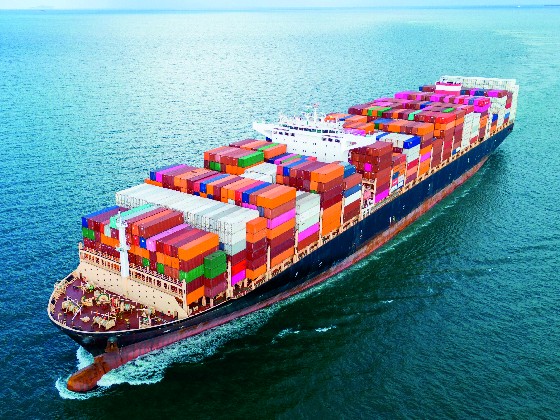
To develop a clear understanding of large vessel handling principles and enhance practical ship-handling competence for safe and efficient operations.
OBJECTIVES:
Understand the handling characteristics of large vessels at different speeds and drafts. Apply effects of wind, current, shallow water, and bank suction. Improve manoeuvring in confined waters, ports, and channels. Use tugs and thrusters effectively during berthing and unberthing. Strengthen situational awareness and decision-making during critical manoeuvres.
COURSE CONTENT:
- Manoeuvring characteristics
- Momentum & Inertia
- Pivot Point
- Ship-Handling Theory
- Tugs: usage – with/without
- Case Studies
- Anchoring
- Deficiencies found in PSC Inspections
AIMS:
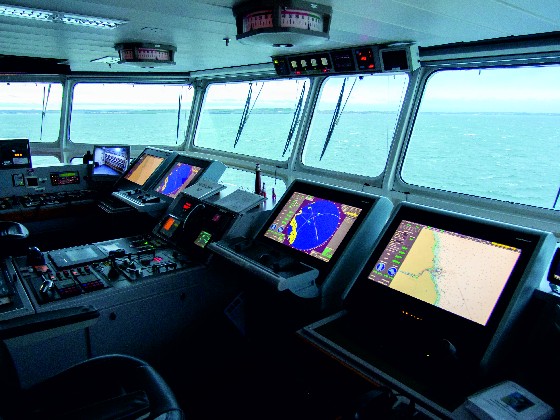
The BRM course aims to enhance the safety and efficiency of maritime operations by ensuring that participants can manage bridge resources effectively. The course covers essential aspects such as maintaining a safe navigational watch, understanding human factors, and promoting effective communication, teamwork, and decision-making.
OBJECTIVES:
- Maintain a Safe Navigational Watch: Ensure participants can safely manage and monitor navigational systems.
- Effective Communication: Promote clear and concise communication within the bridge team.
- Human Factors: Address the impact of stress, fatigue, and other human factors on decision-making and performance.
- Standard Manoeuvres: Teach techniques for handling vessels in different conditions like wind, current, and shallow waters.
- Problem Solving and Decision Making: Develop the ability to assess situations and make informed decisions quickly.
- Leadership and Assertiveness: Encourage leadership and assertiveness in managing bridge operations.
- Resource Management: Plan and allocate resources efficiently, improving team coordination and response.
- Team Experience Analysis: Reflect on team performance to enhance future bridge operations.
COURSE CONTENT:
- Competence maintains a safe navigational watch
- Effective communication
- Assertiveness and leadership
- The analysis of the team's experience
AIMS:
A Designated Person Ashore (DPA) plays a pivotal role in ensuring the effective implementation of a company's Safety Management System (SMS) in compliance with the International Safety Management (ISM) Code. The DPA serves as a critical link between shipboard personnel and shore-based management, overseeing safety and pollution-prevention activities. To prepare for this role, a structured training program is essential. Below is a recommended framework for such a program.
OBJECTIVES:
Equip participants with the knowledge, understanding, and skills necessary to implement and maintain the company's SMS as required by the ISM Code.
COURSE CONTENT:
- Introduction to DPA
- Company Responsibilities & ISM Code Compliance
- Implementation & Maintenance of SMS
- The Role & Responsibilities of the DPA
- ISM Code - Understanding & Application
- Mandatory Regulations, Codes, & Standards
- Risk Management & Incident Investigation
- Technical & Operational Aspects of Safety Management
- Effective Communication & Leadership Skills
- Risk Management and Incident Investigation:
- Human Factors and Communication:
AIMS:
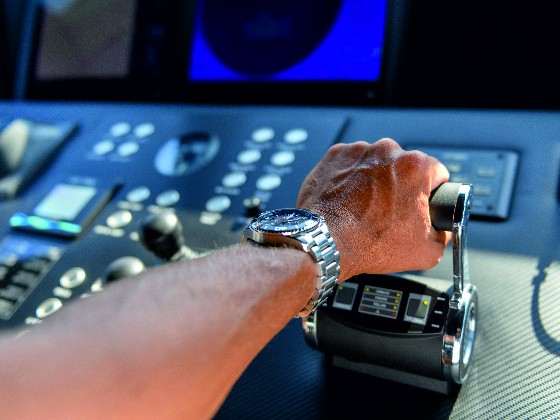
This course is designed to provide comprehensive training in maritime steering and navigation. It covers various steering techniques, emergency procedures, lookout duties, bridge equipment, situation awareness, COLREGs, navigation tools, and risk assessment. Practical exercises on simulators will ensure hands-on learning.
OBJECTIVES:
- Understand and apply different types of steering and steering techniques.
- Handle emergencies effectively.
- Perform lookout duties with proficiency.
- Operate bridge equipment competently.
- Enhance situational awareness and decision-making skills.
- Adhere to COLREGs for safe navigation.
- Adhere to COLREGs for safe navigation.
- Conduct risk assessments and implement mitigation strategies.
- Gain practical experience through simulator exercises.
COURSE CONTENT:
- Types of Steering
- Steering Techniques
- Emergency Situations
- Lookout Duties
- Bridge Equipment
- Cyber Security Awareness
- COLREGs (International Regulations for Preventing Collisions at Sea)
- Navigation Tools
- Risk Assessment
- Practical Exercises on Simulators
AIMS:
- To provide marine engineers and electro-technical officers with the necessary knowledge and practical skills to safely operate, maintain, and troubleshoot marine high voltage (HV) systems.
- To ensure participants understand and comply with relevant safety procedures, risk assessments, and operational standards associated with HV installations onboard ships.
OBJECTIVES:
By the end of the course, participants will be able to:
- Identify components and configurations of marine high voltage systems.
- Apply HV safety procedures and isolation techniques.
- Operate HV switchgear and conduct fault diagnosis.
- Perform risk assessment and implement appropriate protective measures.
- Respond effectively to HV electrical emergencies and ensure regulatory compliance.
COURSE CONTENT:
- International requisites for high voltage knowledge Advantages of high voltage systems
- Hazards
- High voltage equipment on board High voltage safety rules
- Safe working procedures
- High voltage propulsion system
- Protective devices
- High voltage electrical equipment testing methods, Transformer testing
- High voltage equipment maintenance.
